Article Overview
Yes, a pigtail can be connected manually using proper tools, wire, and safety procedures to ensure a secure and code-compliant electrical connection.
What a Pigtail Is
A pigtail is a short wire used to connect multiple circuit conductors to a single device terminal, such as an outlet, switch, or light fixture. It acts as a bridge, allowing the main circuit wires to remain connected while isolating the device from the primary circuit path. This ensures that if the device fails or is removed, downstream devices continue to receive power, maintaining circuit continuity and safety .
Manual Connection Process
- Turn Off Power: Always shut off the circuit at the main breaker and verify that the wires are de-energized using a non-contact voltage tester or multimeter .
- Select Proper Wire: Use a pigtail wire of the same gauge and material as the existing circuit. For standard residential circuits, this is typically 14-gauge for 15-amp circuits or 12-gauge for 20-amp circuits .
- Strip the Wires: Remove about ½ to ¾ inch of insulation from the ends of the circuit wires and the pigtail wire. Ensure the stripped ends are clean and even to prevent weak connections .
- Twist Wires Together: Align the stripped ends of the incoming, outgoing, and pigtail wires. Twist them clockwise using lineman's pliers until the wires are tightly coiled and lie flat .
- Secure with a Wire Nut: Place a properly sized wire nut over the twisted wires and twist until it is seated firmly, covering all exposed copper. A gentle tug on each wire confirms the connection is secure .
- Attach to Device Terminal: Connect the free end of the pigtail to the device terminal (hot, neutral, or ground) and tighten the screw securely. Ground pigtails should connect the device, box (if metal), and circuit grounding conductors .
- Tidy and Install: Carefully tuck the wires into the junction box, install the device, and secure the cover plate .
Safety Considerations
- Always wear safety glasses and insulated gloves when working with electrical circuits .
- Use wire nuts rated for the number and gauge of wires being spliced .
- Ensure the pigtail wire is long enough (typically 6–8 inches) to reach the device comfortably without tension .
- Follow local electrical codes to maintain compliance and prevent hazards .
Benefits of Manual Pigtailing
- Maintains circuit continuity even if a device fails.
- Reduces overcrowding at device terminals, improving safety and reliability.
- Ensures proper grounding and load distribution.
- Complies with National Electrical Code requirements for multi-wire connections . By following these steps and safety precautions, a pigtail can be safely and effectively connected manually, providing a durable and reliable electrical connection.

How to Wire an Electrical Pigtail with Diagram [Pro Safety Guide]
To create a code-compliant pigtail, you need 12 or 14-gauge THHN wire, wire strippers, Lineman''s pliers, and
How to Make Pigtail Electrical Wire Connections
When making a pigtail of your own, use scrap wire with the same same color insulation wires as the circuit wires you
UMEM Educational Pearls
Emergency Medicine Cases offers these excellent tips on pigtail catheters placement. Their video/website is worth a
How to Replace a Pigtail Connector
A pigtail connector is simply a short section of wiring harness terminated with a specific plug designed to mate with a
How to Make Safe Wire Connections (DIY) | Family
Screw terminals are used when connecting a circuit wire or pigtail (a short section of wire)

How to Make Pigtail Wire Connections | Angi
A pigtail electrical wire connector is a simple DIY project, whether you need to extend a short wire or connect neutral,

How to Pigtail Electrical Wire
Pigtailing is when you turn multiple wires into one wire or one wire into multiple wires by
Pigtail for an Outlet
A pigtail connection is a safe way to make sure multiple wires stay connected to a screw
What is a Pigtail Connector? A Complete Guide
Learn about pigtail connectors—short wires with a connector on one end—used to safely and efficiently join, extend, or
wiring pigtails
We provide a detailed guide on wiring pigtails, covering application, advantages, and installation tips. Enhance electronics
Pigtail Wire Installation Made Easy: A Step-by-Step Guide for
Step 5: Attach the Pigtail to the Device After carefully connecting the Pigtail Wire at its proper place, note if they are
How to Pigtail an Outlet for a Safer Connection
This guide provides a step-by-step process for using this connection method for a more reliable electrical installation.
Master a Perfect Inline Wire Splice Everytime
Master a Perfect Inline Wire Splice Everytime: In this instructable i will teach you how to make a perfect inline wire splice, every
Fiber Optic Pigtail: The Complete Guide to Types,
Confused about fiber optic pigtails—which connector type, which polish, fusion or
101 Skills: Percutaneous Pigtail Catheter Placement
The Cardiothoracic Surgery Network (CTSNet) connects the global cardiothoracic
How Do You Replace a Pigtail Connector: A Step-by-Step Guide
In this step-by-step guide, we will explore the process of replacing a pigtail connector. Whether you are a DIY
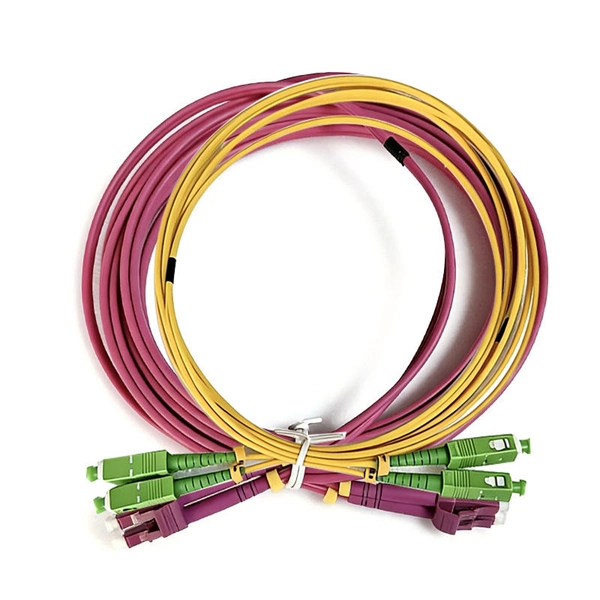
The Ultimate Guide to Pigtail Cable Assemblies and Connectors
To make efficient communication possible across different applications, pigtail cable assemblies and connectors are
Electrical Pigtail: 6 Steps Wiring Guide for Safe Connections
Learn how to create an electrical pigtail for safe and secure wiring connections. Follow our step-by-step guide and essential tools list.
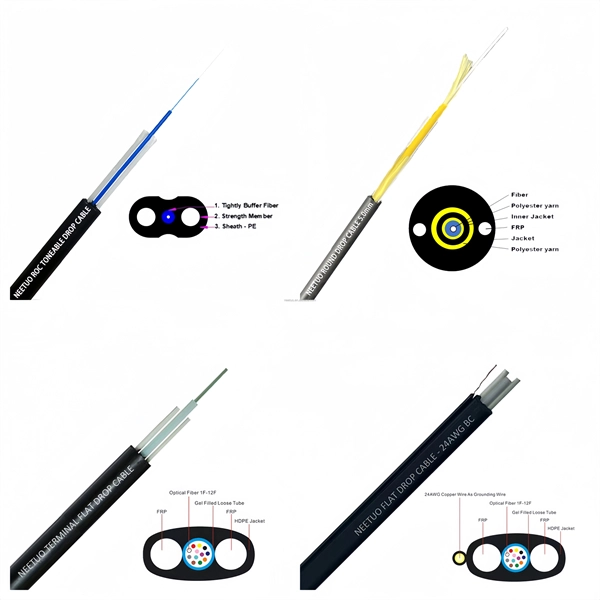
pigtails electrical connection
Understand the importance of pigtails electrical connection in electronics. Follow our step-by-step guide to ensure efficient and safe
How to repair automotive wire harness connectors, pigtails: B27A3
Quick Video Demonstration on how to repair a wiring harness connector, pigtail, plug.
Replacing and Repairing Automotive Connectors, Pigtails and
Repairing damaged, corroded & broken pigtails and connectors - NACE with Jim Bates -
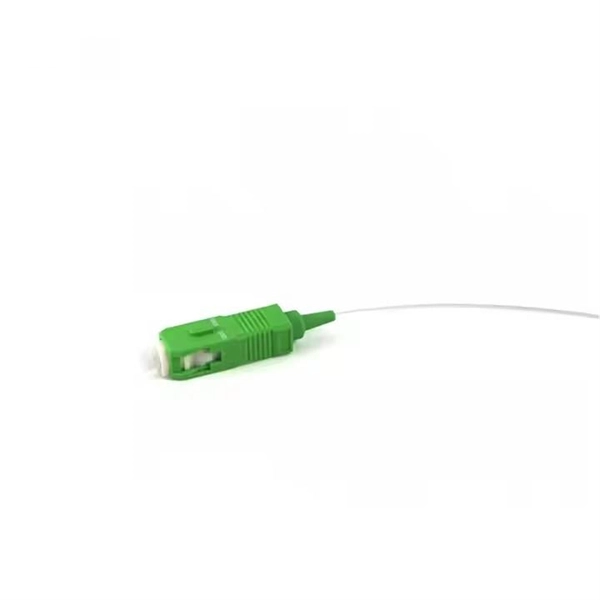
Electrical Pigtail Connectors — Types, Wiring & Uses | CZT
An electrical pigtail connector is a short length of wire — pre-terminated on one or both ends — used to extend,
How to Wire an Electrical Pigtail (With Diagram)
Wiring a pigtail involves creating a secure splice between the circuit conductors and the pigtail wire, then connecting
How to Attach a Pigtail: A Step-by-Step Electrical Guide
Learn how to attach a pigtail correctly and safely for a secure electrical connection. This guide covers tools, step-by

How to Assemble Pigtail Wires for Vehicle Cable Applications
Learn how to assemble pigtail connectors for vehicle wiring. Follow steps to ensure safe, durable connections using
How To Make Electrical Pigtail Wire Connections
Knowing how to make an electric pigtail is essential for car wiring projects. You might encounter damaged wire
How and Why To Make A Pigtail
Most Popular Wago 221 Kit: https://geni.us/H2JpAll My Favorite DIY Tools:
How To Repair Pigtail Connector?
Understanding how to effectively repair automotive electrical connectors can greatly
Related Resources
- Photovoltaic power generation module products
- Cost of Steel Stranded Fiber Optic Cable
- Principle of Fiber Optic Cables for Nordic 6-Core Smart Buildings
- Galvanized Mesh Cable Management Stand
- How much does a small busbar from Southern Europe cost
- What is the laying height of cable trays in meters
- Ecuadorian Energy Storage Battery Cabinet
- Network Rack Cable Management Module
- Price of heat shrink tubing for fiber optic cable splicing
- Single-mode fiber optic engineering price
- Steel wire mesh should be hung around the edge of the distribution box
- Fiber optic router connected to router IP
- How to check the primary fiber distribution box